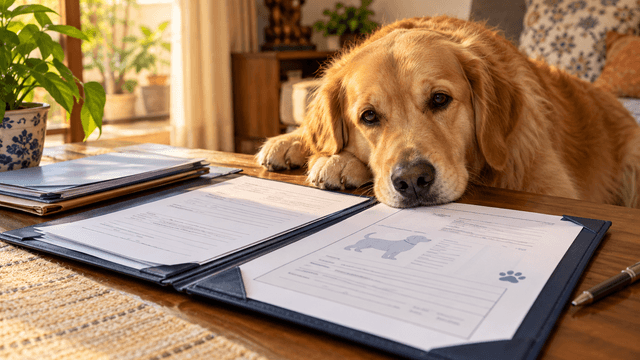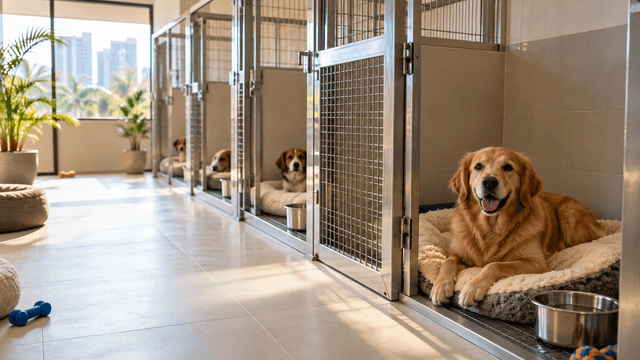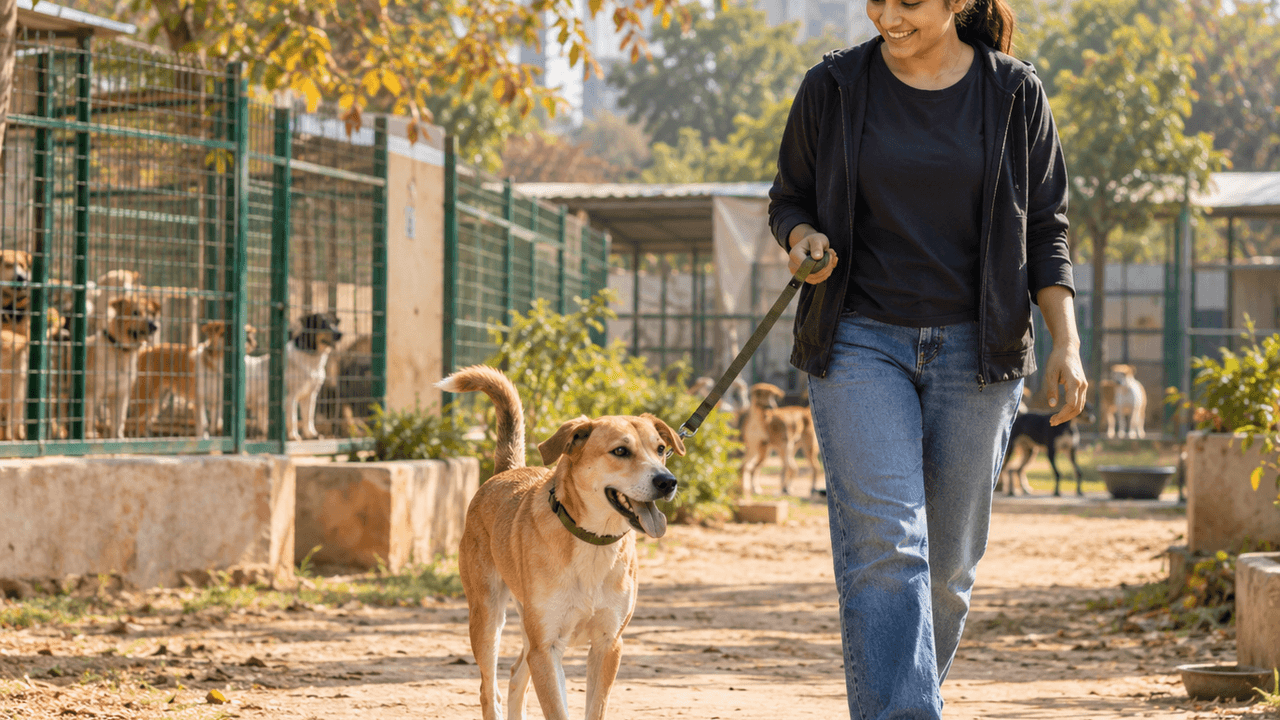
Delhi and the wider NCR region have a well-established network of animal welfare organisations facilitating dog adoption, including Friendicoes SECA, one of the region's oldest and most recognised shelters, People For Animals (PFA) Delhi, and several smaller, active rescue groups working across Delhi, Gurgaon, and Noida. Adoption typically involves an inquiry about currently available dogs, a conversation or home check about your living situation, and often a modest adoption fee that partially offsets the vaccination and sterilisation care already provided.
Why this matters in India
Delhi NCR's dog population, both street dogs and dogs already in shelter care, is large, and demand for rescue adoption has grown steadily as awareness of indie dogs' resilience and suitability as family pets has spread among Indian pet parents. Delhi's climate extremes, brutally hot summers and genuinely cold winters, make the local indie's natural climate adaptation a meaningful practical advantage over some imported pedigree breeds that were developed for entirely different climates and can struggle noticeably during Delhi's peak summer heat. This is a real, climate-driven reason beyond simple compassion to consider adoption seriously if you are choosing a first dog in Delhi.
Shelters and rescue organisations active in Delhi NCR
Friendicoes SECA is one of the most established animal welfare organisations in the Delhi region, running shelter, veterinary, and adoption operations, and is widely known among Delhi pet parents as a starting point for adoption inquiries.
People For Animals (PFA), with a presence in Delhi, is one of India's larger animal welfare networks, involved in rescue, rehabilitation, and adoption facilitation.
Smaller, locally active rescue groups across Delhi, Gurgaon, and Noida frequently coordinate through social media to place rescued dogs and puppies, and can sometimes offer a faster, more personal adoption process than larger institutions, though consistency and available support can vary more between individual volunteer-run rescues than with established institutions.
Because shelter capacity, current dogs available, and application processes change over time, confirm current details directly with each organisation's active channels before visiting, rather than relying on older or secondhand information.
How the adoption process typically works
Most established Delhi organisations follow a broadly similar sequence: an initial inquiry about available dogs, a conversation about your home environment (apartment or house, presence of other pets or young children, whether you have secure outdoor space), and often a home visit or detailed screening call before finalising a match. This screening exists to reduce the chance of a dog being returned after adoption, which is genuinely disruptive for the dog and a real burden on already-stretched shelter capacity, not a bureaucratic obstacle for its own sake.
Reputable shelters generally ensure vaccination and sterilisation are complete, or clearly scheduled, before or shortly after adoption, and provide whatever health records exist from the dog's time in care. A modest adoption fee has become increasingly standard, both to partially recover care costs already incurred and, in practice, to filter for genuinely committed adopters.
What to ask before you commit
Confirm what vaccinations the dog has received and whether documentation is available, whether sterilisation is complete or planned, any known health or behavioural notes from the dog's time at the shelter, and what post-adoption support the organisation offers if you run into difficulties adjusting. Organisations that answer these questions openly and do not rush you toward a decision are generally the more reliable choice for a first-time adopter.
What it typically costs
Item | Typical range in Delhi NCR |
|---|---|
Adoption fee (varies by organisation) | ₹0–₹3,000, often covering partial vaccination/sterilisation costs already incurred |
Post-adoption vet check-up (recommended within first week) | ₹500–₹1,200 |
Initial supplies (bed, bowls, leash, winter coat given Delhi's cold winters) | ₹2,500–₹7,000 depending on choices |
What affects the range: Delhi's winter cold means many adopters also budget for a basic dog coat or bedding suited to colder nights, an extra consideration compared to warmer Indian cities, alongside the same adoption-fee variability seen elsewhere.
When to see a vet after adopting
- Book within the first week: a full health check with your own vet, even with shelter-provided records, to establish a baseline for your new dog.
- Go now: any signs of active illness on the day of adoption, such as lethargy, vomiting, or diarrhoea, since the stress of a new environment can sometimes unmask an underlying issue.
- Routine: review the deworming and vaccination schedule with your vet based on the shelter's records, since gaps are common and easily corrected with a fresh plan.
Frequently asked questions
Delhi mein dog adopt karne ka process kya hai?
Aam taur par pehle shelter se available dogs ke baare mein poochte hain, phir ek conversation ya home visit hoti hai jisme ghar ke environment ke baare mein poocha jaata hai. Vaccination aur sterilisation complete hone ke baad hi adoption finalise hoti hai, aur kai jagah nominal adoption fee bhi hoti hai.
Are indie dogs well suited to Delhi's extreme summers and winters?
Yes, generally. Indie dogs have evolved alongside Indian climate conditions over a long period and typically tolerate both Delhi's peak summer heat and winter cold better than many imported pedigree breeds developed for more temperate climates, though every individual dog still needs appropriate seasonal care regardless of breed.
Is Friendicoes the only place to adopt in Delhi?
No, while it is one of the most established and widely known organisations, People For Animals and several active smaller rescue groups across Delhi, Gurgaon, and Noida also facilitate adoptions regularly. It is worth checking a few options rather than assuming only one organisation handles adoption in the region.
Can I foster a dog before committing to full adoption in Delhi?
Many organisations, particularly volunteer-run rescues, do support fostering arrangements, sometimes as a path toward permanent adoption. Ask specifically if you are unsure about full commitment but want to help, since fostering capacity and terms vary by organisation.
Do Delhi shelters place dogs outside the NCR region?
Some organisations do facilitate adoptions for pet parents outside Delhi NCR, including transport arrangements in certain cases, though this varies significantly by organisation and dog. Ask directly about their specific policy on out-of-city adoptions before assuming it is possible.
Sources
- Publicly available information from Delhi NCR-based animal welfare organisations
- WSAVA companion animal welfare references, general adoption best practice
A note from Critzo (please read): This article is general educational information written and reviewed by qualified veterinary professionals for Indian pet parents. It is not a substitute for an in-person consultation with your own veterinarian, who knows your pet, their history, and their current clinical state. Pets are individuals — breed, age, weight, pre-existing conditions, medications, and local disease patterns all change what is safe and what is not. Do not start, stop, or change any medication, vaccination schedule, diet, or treatment based on what you read here without first speaking to a registered veterinary practitioner. If your pet is showing emergency signs — collapse, seizure, severe bleeding, suspected poisoning, breathing difficulty, bloated abdomen, repeated vomiting or no urination for more than 12 hours — stop reading and go to the nearest 24-hour veterinary hospital immediately. You follow any guidance from this article at your own risk and at your pet's risk. Critzo, its authors, and its reviewers accept no liability for outcomes arising from decisions made without veterinary supervision.