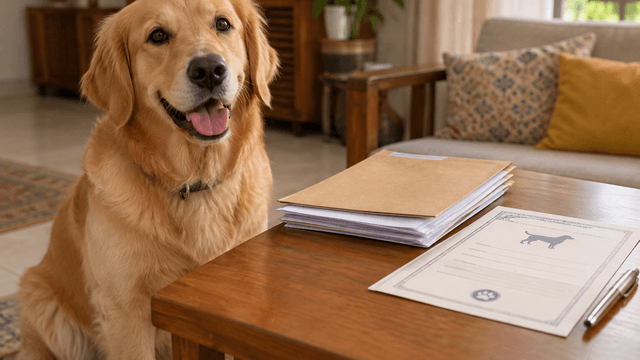
Dog boarding in Mumbai typically runs ₹500 to ₹1,200 per night for a medium dog at a standard facility, with premium or cage-free boarding running ₹1,200 to ₹2,500 per night. Nearly every reputable facility requires proof of current core vaccination (including rabies and the DHPPi+L combination) before accepting a booking, both to protect your pet and every other animal boarding alongside them.
Why this matters in India
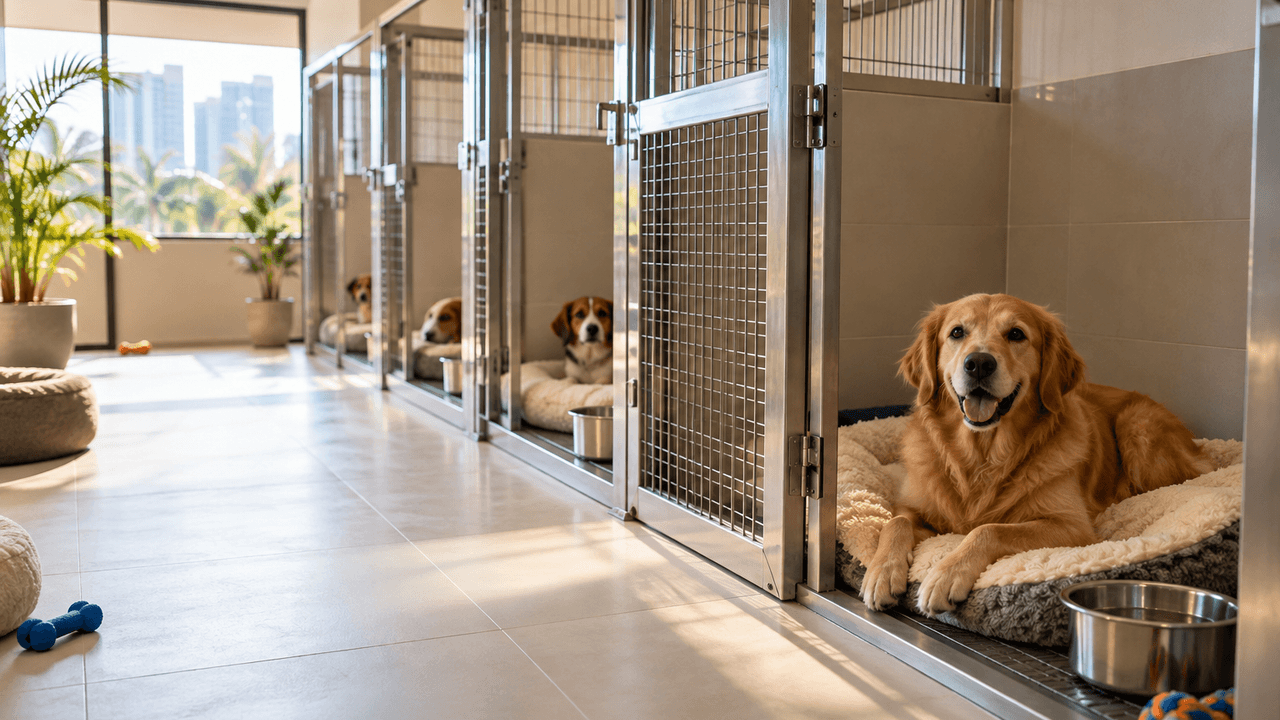
Mumbai's dense urban geography means most boarding facilities operate with limited physical space compared to sprawling rural kennels elsewhere, which makes questions about individual space per dog, group play versus individual housing, and ventilation genuinely important rather than incidental details. Mumbai's humidity, particularly during and after monsoon, also raises real infection-control considerations: facilities with poor ventilation or crowding see a higher risk of kennel cough (Bordetella bronchiseptica and related pathogens) spreading between boarding dogs, which is exactly why vaccination requirements and facility hygiene standards matter more here than a simple price comparison would suggest.
What reputable facilities require before boarding
Nearly all established Mumbai boarding facilities require proof of current rabies vaccination and the core DHPPi+L (Distemper, Hepatitis, Parvovirus, Parainfluenza, Leptospira) combination vaccine, and many also require or strongly recommend the kennel cough (Bordetella) vaccine specifically, given how easily this respiratory infection spreads in group housing situations. Facilities boarding cats typically require proof of the core feline vaccination series as well. If a facility does not ask for any vaccination proof at all before accepting your pet, treat this as a meaningful red flag about their overall health and safety standards, not a convenience.
What to check before booking
Ask to see the actual boarding area in person before committing, not just photos on a website or app listing, since real conditions can differ meaningfully from marketing images. Check whether dogs are housed individually or in groups, and if grouped, how the facility manages temperament matching to avoid conflict between unfamiliar dogs. Ask about staff-to-animal ratio and what happens in a medical emergency, specifically which vet the facility uses and whether they will contact you immediately or attempt treatment decisions without your knowledge. Confirm feeding arrangements, whether they use your pet's regular food (bringing your own supply is usually advisable to avoid a sudden diet change causing digestive upset) or their own, and ask about medication administration if your pet takes any regular medication.
Red flags to watch for
A facility that does not ask for vaccination records is a serious warning sign. Overcrowded housing, visible lack of cleanliness, or a strong ammonia smell (indicating inadequate waste management and ventilation) on a walkthrough visit suggest broader standards concerns. Reluctance to let you see the actual boarding area before booking, rather than just an office or reception space, is worth treating with real suspicion. A facility unable to clearly explain their emergency veterinary protocol is another meaningful gap.
What it costs in Mumbai (2026)
Service | Small dog / cat | Medium dog | Large dog |
|---|---|---|---|
Standard boarding, per night | ₹400–₹800 | ₹500–₹1,200 | ₹800–₹1,800 |
Premium/cage-free boarding, per night | ₹700–₹1,500 | ₹1,200–₹2,500 | ₹1,800–₹3,500 |
Medication administration (if needed) | +₹100–₹300 per day typically | +₹100–₹300 per day typically | +₹100–₹300 per day typically |
Extended stay discounts | Often 10–20% off for stays over 7 days, ask directly | Often 10–20% off for stays over 7 days, ask directly | Often 10–20% off for stays over 7 days, ask directly |
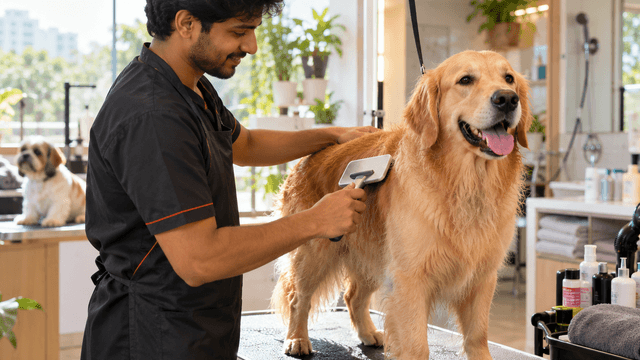
What affects the range: individual versus group housing, whether the facility offers additional services like daily walks or grooming as part of the package, and demand spikes around festival and holiday travel periods, when prices can rise and availability tightens noticeably, so book well ahead of Diwali, summer holidays, and year-end travel windows.
When to see a vet before or after boarding
- Book a pre-boarding vet visit if: your pet's vaccinations are not current, since most facilities will not accept an unvaccinated or under-vaccinated pet, and last-minute vaccination does not provide immediate protection (some vaccines need one to two weeks to build effective immunity).
- Go now, do not board: if your pet is currently showing any signs of illness, since this risks both your pet's recovery and other boarding animals' health.
- Book a check-up after a boarding stay if: your pet returns with a persistent cough, lethargy, or digestive upset, since kennel cough and stress-related digestive issues are the most common post-boarding concerns, usually mild but worth a vet's assessment if they persist beyond a couple of days.
- Routine: a happy, healthy pet with no symptoms after a boarding stay does not need a special post-boarding vet visit beyond your normal check-up schedule.
Frequently asked questions
Mumbai mein dog boarding ke liye kaunsi vaccination zaroori hoti hai?
Zyada tar reputable facilities rabies vaccine aur core DHPPi+L combination vaccine ki proof maangte hain, aur kai jagah kennel cough (Bordetella) vaccine bhi zaroori hoti hai, kyunki group housing mein yeh infection aasani se failta hai. Booking se pehle apni vaccination records ready rakhein.
Is cage-free boarding actually safer or just more comfortable?
It depends on the specific facility's management, not the label alone. Cage-free or group boarding can offer more social interaction and space but requires genuinely careful temperament matching to avoid conflicts; a well-run traditional kennel-style facility can be perfectly safe, and a poorly managed cage-free facility can have real risks. Ask about specific management practices rather than assuming the label guarantees quality.
How far in advance should I book pet boarding in Mumbai around Diwali or holidays?
Book several weeks ahead if possible during peak travel periods like Diwali, summer holidays, and year-end, since availability at reputable, well-reviewed facilities tightens noticeably and last-minute options are often the less carefully vetted ones.
Should I visit the facility in person before booking, even if it has good online reviews?
Yes, strongly recommended. Online reviews are useful but do not substitute for seeing the actual space, meeting staff, and asking specific questions about vaccination requirements, emergency protocols, and housing arrangements in person.
Can I board a pet who is on regular medication?
Most established facilities can administer regular medication for an additional daily fee, but confirm this specifically before booking, provide clear written dosing instructions, and hand over the medication in its original labelled packaging to avoid any mix-up.
Sources
- WSAVA infectious disease and vaccination guidelines, referenced for kennel cough and core vaccine context
- General Indian pet boarding industry practice, publicly available facility information
A note from Critzo (please read): This article is general educational information written and reviewed by qualified veterinary professionals for Indian pet parents. It is not a substitute for an in-person consultation with your own veterinarian, who knows your pet, their history, and their current clinical state. Pets are individuals — breed, age, weight, pre-existing conditions, medications, and local disease patterns all change what is safe and what is not. Do not start, stop, or change any medication, vaccination schedule, diet, or treatment based on what you read here without first speaking to a registered veterinary practitioner. If your pet is showing emergency signs — collapse, seizure, severe bleeding, suspected poisoning, breathing difficulty, bloated abdomen, repeated vomiting or no urination for more than 12 hours — stop reading and go to the nearest 24-hour veterinary hospital immediately. You follow any guidance from this article at your own risk and at your pet's risk. Critzo, its authors, and its reviewers accept no liability for outcomes arising from decisions made without veterinary supervision.